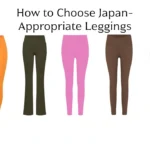
Leggings in Japan: The Short Answer
Yes, you can wear leggings in Japan — but context decides appropriateness. In sports settings (gyms, yoga studios, running paths along the Sumida River) form-fitting leggings are completely normal. As streetwear — shopping in Shibuya, riding the Yamanote Line, temple visits — the unwritten rule is coverage through layering. Japanese street style accepts leggings-as-pants when they are styled with tunics, longline cardigans, or structured jackets, and when the fabric itself is opaque and matte. If you are buying one pair for a Japan trip, choose a mid-to-high-rise style in an 85%+ nylon–spandex blend with full rear coverage, in black, charcoal, or deep navy — then test it with the tops you plan to wear.
For brands, the same rulebook reads differently: Japan is one of the most quality-discerning activewear markets on earth. Retailers there reject what many Western sellers celebrate — ultra-thin “butt-lift” knits, shiny finishes, careless seam placement. Understanding what Japanese shoppers avoid is exactly how you design a leggings line that sells in Tokyo, Osaka, and beyond. This guide covers both sides: the wearer’s etiquette and the manufacturer’s spec sheet.
What “Japan Girl Leggings” Actually Means
“Japan girl leggings” is not an official apparel category. It is a marketplace label (Alibaba.com, Made-in-China.com, AliExpress) for form-fitting, often high-waisted, sculpting leggings aimed at East Asian body types and aesthetics. Typical features: targeted compression zones around the glutes and thighs, seamless or flat-seam knits, matte or low-sheen finishes, and neutral-cool palettes (charcoal, deep navy, heather gray).
Use cases fall into two buckets that never fully merge:
- Sports-first: hot yoga, studio training, running — function dictates form, and fitted leggings are simply the right tool.
- Street-as-activewear: wearing the same garment as pants through markets, cafés, and transit — acceptable only with deliberate layering and opaque, modest styling.
Demand has grown not because Japanese norms changed, but because global visibility of Japanese street-fashion subcultures (athleisure-kawaii, minimalist Tokyo gym style) rose sharply, and East-Asian-fit activewear supply chains tightened. Traveler forums are full of “can I wear leggings in Japan?” threads; the consistent expert answer: leggings are acceptable as sportswear and can adapt to street wear when styled intentionally.
What to Wear in Japan: Three Strategies That Work
1. Layer-first styling
Pair leggings with oversized blazers, longline cardigans, cropped denim jackets, or trench coats. Coverage without losing the silhouette — the single most reliable formula in Japanese street fashion.
2. Fabric-forward selection
Choose thicker, opaque, brushed-back or double-knit fabrics (fleece-lined for winter). If you can see a skin-tone shadow or underwear line when the fabric is held up to daylight — especially across the seat and inner thigh — it is too thin for general public use in Japan. Bright indoor lighting and reflective subway surfaces make thin knits more visible, not less.
3. Fit-and-structure strategy
High-rise waistbands (true high-rise, not just high-cut panels), seams that follow the body instead of bisecting it, balanced compression. A waistband that stays flush through squats, walks, and two-hour train rides is the difference between confidence and constant adjustment.
Colors: black, charcoal, and deep navy minimize visual contrast and blend with Japanese urban palettes. When in doubt, default to black.
What to Avoid in Japan: Three Red Flags
- Micro-thin fabrics (roughly under 0.3 mm) — transparency risk in every sitting position.
- Seams that emphasize curvature — laser-cut seams at the hip line, contrast stitching outlining the glutes, or contrast-panel designs. These draw scrutiny in non-sports contexts.
- “Shiny” or foil-finish surfaces — high attention pull; save for studio-only wear.
One nuance for brands: the scrunch-back / “butt-lift” construction that sells aggressively in the US (our own PureLuxe High-Waisted TLC Legging is a bestseller in Western markets) is a different product conversation in Japan. A Japan-market street line usually performs better with flat, seamless fronts and matte silhouettes — while the sculpting story stays reserved for gym and studio ranges.
The Spec Sheet: Engineering a Japan-Ready Legging
Whether you buy one pair or 1,000, evaluate measurable features, not marketing words:
- Opacity: hold the fabric to natural light at maximum stretch (seat, inner thigh). No skin tone or underwear outline = pass.
- Rise height: measured waistband-top to crotch seam. Mid-rise ≈ 8–10 cm for balance; true high-rise > 11 cm prevents roll-down.
- Seam placement: rear center seams should sit above the gluteal fold, never bisecting it; side seams should follow the natural hip contour, not cut diagonally.
- Fabric composition: aim for ≥75% nylon + ≤25% spandex for durability and opacity; polyester-heavy blends pill faster and show sweat more visibly.
- Certifications: OEKO-TEX® Standard 100 and similar matter to Japan’s retail compliance teams.
If you are a brand, every item above belongs in your tech pack. A competent OEM partner — like our custom yoga apparel program — will engineer fabric weight, knit construction, rise, and seam maps to those specs instead of selling you a generic “sexy leggings” pattern. That is the difference between a sample that photographs well and a product that survives Japanese retail inspection. For deeper fabric math, see our nylon vs polyester vs spandex fabric guide.
Price Reality: What Quality Costs
- Entry tier (~$3.5–5.5): thin, polyester-dominant knits. Packable, fine for studio-only use with layering; poor opacity, short life.
- Mid tier (~$7–12): nylon–spandex blends with brushed interiors. Balanced durability, breathability, consistent batch sizing — the value sweet spot for most buyers.
- Premium tier (~$18–32): double-knit, bonded seams, certified materials. 100+ wear lifespan, superior moisture management — worth it for frequent wear or certification-driven markets like Japan.
Price tracks fabric integrity, not branding. A $4 leggings listing on a B2B marketplace and a $20 factory-direct unit are not the same garment, even when the photos look identical.
From Tourist to Brand: Sourcing Japan-Ready Leggings
Japan’s market rewards opacity, seam discipline, matte finishes, and consistent sizing. When you brief a factory, specify:
- Japan-fit sizing: shorter inseams, adjusted rise proportions for East-Asian body geometry — not a one-size-fits-all Western block.
- Fabric spec: ≥75% nylon, brushed-back or double-knit construction, matte finish, opaque at stretch.
- QC gates: stretch-opacity light test at three stretch points, rise measurement on finished garments, squat-and-sit waistband checks on live fit models.
- MOQ reality: start lean — our low-MOQ manufacturing guide explains how new lines validate styles without overcommitting inventory.
- Documentation: test reports and OEKO-TEX® documentation for import compliance; see our sustainability and certification page.
GoSportLand has cut and sewn activewear in-house since 2004 — from compression leggings to custom yoga leggings collections shipped to brands worldwide. Tell us your target market and we will spec the fabric and finish accordingly — including Japan.
Ready to brief a Japan-ready leggings line? Start with a quote on our Custom Service page or contact our team — we answer within one business day.
FAQ
Can I wear leggings as pants in Japan?
Yes — clearly in sports contexts, and in urban street settings when styled with intentional layering (long tops, jackets) and opaque, matte fabrics.
What is the safest color for leggings in Japan?
Black, charcoal, or deep navy. They minimize visual contrast and blend with Japanese urban palettes.
How do I know if my leggings are too thin for Japan?
The daylight test: stretch the fabric over the seat and inner thigh. If you see skin tone or underwear shape, they are too thin for general public use.
Do Japanese brands make better leggings than Chinese suppliers?
Not inherently. Japanese retail brands (Uniqlo, Muji) excel at minimal, well-fitted basics; vetted Chinese OEM factories match them on fabric specs and construction when evaluated by objective criteria — opacity, seam placement, certifications, and size consistency across batches.
What should a brand spec for the Japanese market?
Opaque nylon-spandex fabric (≥75% nylon), matte finish, high-rise with seams above the gluteal fold, Japan-fit sizing blocks, OEKO-TEX® documentation, and QC that tests opacity under stretch and waistband stability in motion.
Are scrunch / butt-lift leggings okay in Japan?
Fine for gym and studio wear; for street wear they attract the scrutiny Japanese shoppers typically avoid. Market them to the sports range, not the everyday range.